Short answer
Veneers are generally safe when they are planned conservatively, bonded mainly to enamel and placed on healthy teeth and gums. The risks come from over-preparing teeth, treating too many teeth for purely cosmetic reasons, or ignoring grinding and gum disease. Some tooth reduction cannot be reversed, so a careful plan and a preview matter.

A "Hollywood smile" usually means a set of veneers (thin tooth-coloured shells) on the front teeth to change their colour, shape, size or alignment. Social media has made this treatment very popular in Egypt, and with that popularity come understandable worries: Will veneers ruin my teeth? Will they look fake? Are they reversible?
The honest answer is that veneers are generally safe when the case is selected and planned carefully. Most problems people see online come from overtreatment, not from veneers themselves. This page explains the real risks and how to reduce them.
What veneers are, and what they are not
A veneer covers the front surface of a tooth. The two main types are:
- Porcelain or ceramic veneers (often E.max or feldspathic porcelain): made in a laboratory, colour-stable and resistant to staining.
- Composite veneers: tooth-coloured resin built directly on the tooth in the clinic. They usually need less or no tooth reduction and can be repaired, but they stain and wear faster.
A veneer is not a crown. A crown covers the whole tooth and requires more reduction. Some clinics market full-coverage crowns on healthy front teeth as "veneers"; it is worth asking exactly what will be done.
Is the tooth shaved down? The irreversibility question
Porcelain veneers usually require removing a thin layer of enamel, often around half a millimetre, so the veneer does not look bulky. In some cases, such as small or worn teeth, minimal or no preparation is possible. In others, especially when teeth are crowded or very dark, more reduction may be needed.
Enamel does not grow back. Once teeth are prepared, they will normally always need a covering of some kind. This is the main reason we treat veneers as a considered decision rather than a quick cosmetic upgrade.
The real risks of veneers
| Risk | Why it happens | How it is reduced |
|---|---|---|
| Tooth sensitivity or nerve irritation | Deep preparation into dentine, close to the nerve | Conservative, enamel-based preparation guided by a mock-up |
| Gum inflammation | Bulky or poorly fitting edges that trap plaque | Accurate margins, good hygiene, treating gum disease first |
| Chipping or debonding | Grinding, nail biting, biting hard objects, bonding to dentine | Bite assessment, night guard, bonding to enamel where possible |
| Unnatural "too white, too big" look | Choosing shade and size without considering the face | Digital smile design and a trial smile before final work |
| Decay at the edges | Plaque left at the margin over years | Brushing, flossing and regular check-ups |
Who should not get veneers (or should wait)
- People with active decay or untreated gum disease. These must be treated first.
- Heavy grinders or clenchers who will not wear a night guard.
- Teeth with very little enamel left, where a crown or a different approach may be more predictable.
- Teenagers whose teeth and gums are still developing.
- Patients whose main concern is crooked teeth that could be straightened with orthodontics, preserving natural tooth.
- Anyone whose only concern is colour: professional whitening may achieve the goal with no reduction at all.
Alternatives worth considering first
Depending on your goal, simpler options may be enough: whitening for yellow teeth, composite bonding for a chipped edge, gum contouring for a "gummy" smile, or clear aligners for mild crowding. Sometimes a combination works well, for example whitening the whole smile and placing veneers on only two or four teeth.
How a natural Hollywood smile is planned
A natural-looking result is planned around your face, lips and gum line, not a catalogue shade. At El Nabi Dental Clinic, a veneer plan typically includes:
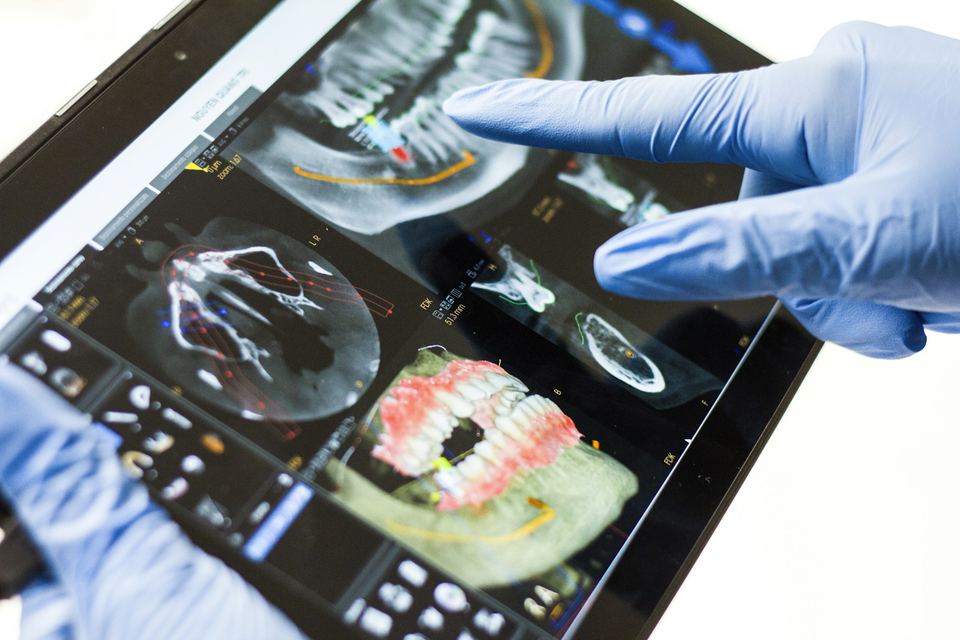
- Examination and X-rays to confirm the teeth and gums are healthy.
- Photos and smile analysis: the midline, lip line, tooth proportions and how much tooth shows when you talk.
- A preview (wax-up or digital design, and where suitable a temporary mock-up in your mouth) so you can see and approve the shape before any tooth is prepared.
- Conservative preparation guided by that preview, keeping as much enamel as possible.
- Bonding and bite check, then a review visit and, if needed, a night guard.
As a prosthodontist, Prof. Nouran Abdel Nabi focuses on how the teeth function together as well as how they look; a smile that looks good but overloads the front teeth is unlikely to last.
How many veneers do I need?
There is no fixed number. Many people show 6 to 10 upper teeth when they smile broadly, but the right number depends on your smile width and goals. Fewer veneers with whitening of the remaining teeth can look very natural. Veneers in Cairo are commonly listed at around 2,500 to 15,000 EGP per tooth depending on the material; the exact cost depends on an examination.
How long will they last?
Porcelain veneers often last 10 to 15 years or longer with care; composite veneers typically need refurbishing sooner. See how long do veneers last? for details.
Caring for veneers so they stay healthy
Veneers do not decay, but the tooth underneath and the gum around it still can. Brush twice daily with a fluoride toothpaste, clean between the teeth every day with floss or interdental brushes, and keep regular check-ups and professional cleaning. Avoid using your front teeth to open packages, crack seeds or bite nails, as these are common causes of chipped veneers.
If you grind your teeth at night, a custom night guard protects both the veneers and the opposing teeth. Porcelain does not whiten, so if you plan to whiten your other teeth, do it before the veneer shade is chosen so the colours match.
When to see a dentist
Book a consultation before committing to veneers anywhere, and ask for a preview of the planned shape. If you already have veneers and notice gum bleeding around them, a dark line, a chip, sensitivity or a veneer that feels loose, have it checked early. More information is on our veneers and smile design page, or you can message us on WhatsApp with photos for an initial opinion.
Recognise yourself in this?
Send us a message or a photo of your X-ray on WhatsApp. Prof. Nouran will look at your case and give you a clear plan, with no pressure to start.